


You’re sitting in a coffee shop, sweating through your shirt, trying to convince someone who’s already built and exited two companies that you should be on their management team, despite having no experience in their industry and knowing almost nothing about what they actually do.
That was my friend Lauren Hoffmaster several years ago. She’d just moved to Austin after completely pivoting her career to work in startups following 10 years in big oil and gas, trying to prove to everyone who thought she was crazy that she was right for making the move.

“Did you prepare for the interview?” I asked her.
“Not really,” she laughed. “I didn’t reach out to people for advice before the interview, and then I was so nervous that whatever I said probably had nothing to do with my actual resume or accomplishments, I just know I was sweating through my shirt in that coffee shop and hoping he couldn’t tell.”
She got the job anyway but not because she fooled him, she said she was just lucky that he took a chance on her. A few months later he told her she should be in an executive position based on the value she brought to the table, but also told her point blank that her interview was terrible and he had no idea what she was really capable of, and she said he was absolutely right on both counts.
I’ve had interviews like that, where I walked out thinking I’d completely bombed it and somehow still got the job, and it’s wild how often the thing we think disqualifies us doesn’t actually matter as much as we think it does because people are still willing to take a chance on someone who doesn’t know everything yet.
1. Here’s the thing you want:
You want to feel confident when you step into something new that you’re not sure you can handle, when you’re leading a team for the first time, when you’re pitching your business to people who seem way more accomplished than you.
You want to walk into those rooms with all the answers and know exactly what to do in every situation, you want to feel certain about your decisions even when the information is incomplete, you want to stop feeling like a fraud and stop pretending you understand things you don’t actually understand yet.
That’s not how it works most of the time, and the sooner you accept that not knowing is part of the job, the sooner you’ll actually become effective at what you’re doing and gain confidence because of it.
2. Here’s how to do it:
Everyone is operating with incomplete knowledge, even the people you think have it all figured out. The CEO who seems certain about their decisions is making calls with missing information all the time, the colleague who sounds authoritative in meetings might be winging half of it, the person who just got promoted is dealing with a learning curve they didn’t expect.
“Just because you are CEO, don’t think you have landed. You must continually increase your learning, the way you think, and the way you approach the organization.” — Indra Nooyi, former CEO of PepsiCo
The people who seem the most confident aren’t the ones who know everything, they’re the ones who’ve gotten comfortable with not knowing and are okay saying so.
I asked Lauren what it was like when she got her first executive level job.
“I felt like an imposter every single day,” she told me. “My reputation was on the line, my team was watching to see if I could actually lead them, my boss needed to know he’d made the right call, and every time I had to speak in front of people my voice would shake and my heart would pound so hard I thought everyone could hear it. I kept thinking, are they going to figure out how much I don’t know, are they going to realize I’m in over my head, what the heck am I doing here?”
The worst part, she said, was feeling like she had to hide it, like admitting she didn’t know something would prove she didn’t deserve to be there.

I’ve been in rooms where I was terrified someone would ask me a question I couldn’t answer and I’d spent so much energy trying to look like I belonged that I couldn’t actually focus on doing the work.
“So what changed?” I asked.
The turning point came when she started noticing that the leaders she respected most were the ones who would say things like “I don’t know enough about this yet, can you explain it to me” or “I’m not the expert here, what do you think we should do.” They weren’t pretending to know everything, they were honest about their limitations, and that made people trust them more, not less.
So she started experimenting with it, in meetings when someone brought up something she didn’t understand, instead of staying quiet she’d say “I’m not familiar with that, can you break it down for me,” when her team asked her about a decision, instead of making something up on the spot she’d say “I need to think about this more, let me get back to you tomorrow,” when her boss asked about an area she had no experience in she’d say “I honestly don’t know the best approach here, but here’s what I’m thinking so far….”
“And what happened when you started doing that?” I asked.
“People didn’t lose respect for me, they gained respect for me,” she said. “My team started coming to me with problems more often because they knew I’d give them an honest answer, my boss started trusting my judgment more because he knew I wasn’t going to pretend, and I started making better decisions because I wasn’t wasting energy on maintaining a facade.”
When you’re honest about what you don’t know, you build more credibility than if you fake your way through it, because as good as you think you are at hiding it, people can usually sense you’re not being genuine.
Every time she admitted she didn’t know and asked for help, it opened up a conversation that made her better at her job, and she found that people were excited to help, they wanted to share what they knew, and they respected her more for asking.

I wanted to know if she had a specific example of when this actually worked, when the stakes were high and being honest about not knowing something helped her succeed.
She told me about a case she had to present to executives on a topic she didn’t have much experience in, where a negative outcome would have severely affected the person she was defending.
“Part of what made me successful was admitting to myself I didn’t know,” she said. “It motivated me to prepare like crazy, research more, learn more, forced me to reach out to people who understood the topic better than I did, show them what I learned and ask for help to make it better. I was under a lot of pressure to get it right, and simply asking for advice or a general overview wasn’t gonna cut it, but because of my initial research, they gave me detailed insights I never would have found on my own, they pointed out things I was missing, they helped me understand nuances I didn’t know existed, and because of that I actually had a deep understanding of the topic that I would have never learned that quickly on my own.”
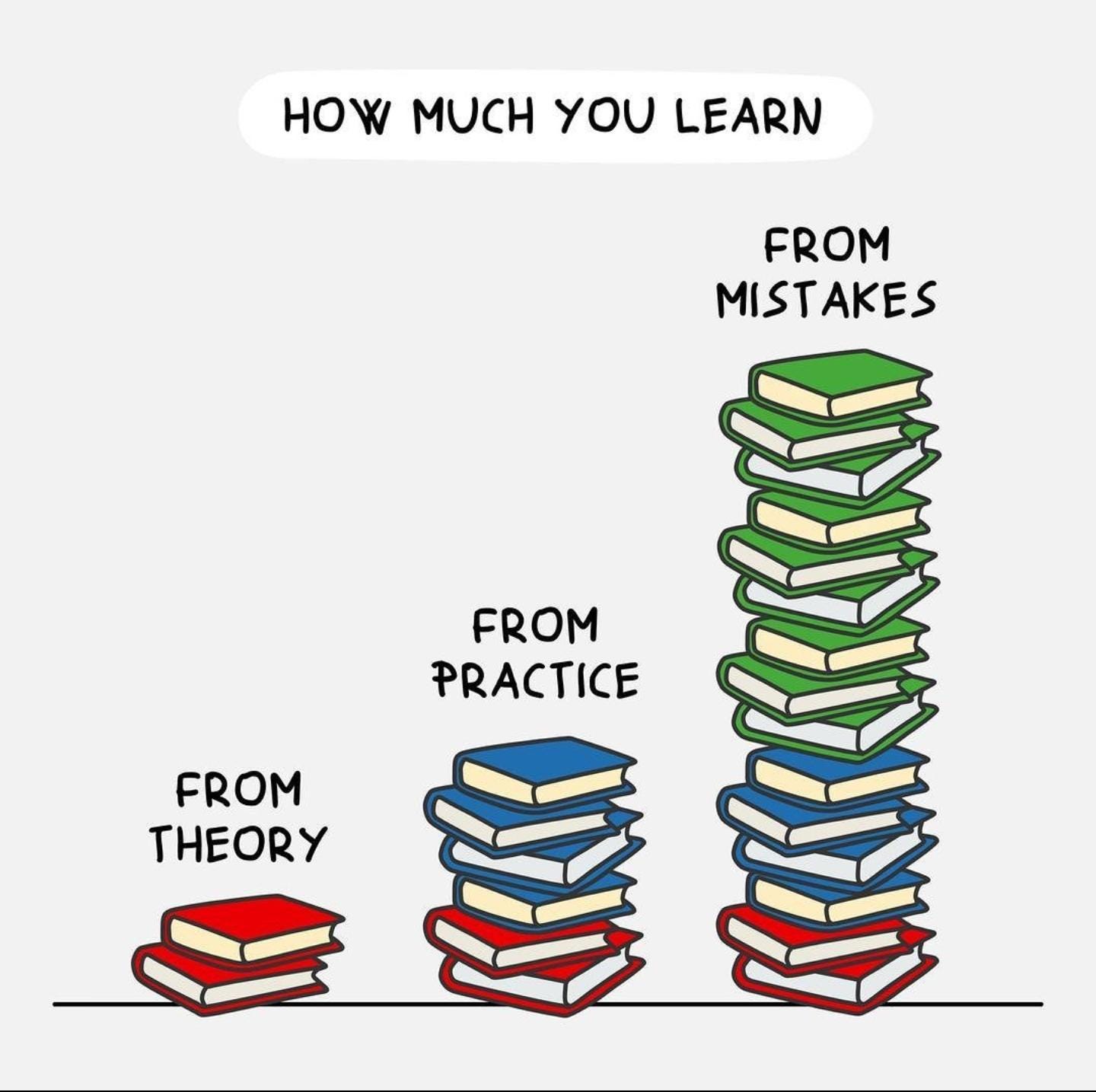
We think asking for help makes us look weak but it’s actually what makes us effective, and if you do some due diligence first, the help you get is even more valuable.
I then asked, “What was it like when you actually got into the room?”
“My hands were shaking and my mouth went dry,” she admitted. “But I had done the work, I had admitted what I didn’t know, I had asked for help, I had filled in as many gaps as I could, and when I didn’t have an answer I was able to confidently tell them I didn’t know but that I would find out.”
She won that case, not because she knew everything, but because she was honest and prepared.
The other thing that helped her get comfortable with not knowing was realizing that certainty is often an illusion anyway, even when you think you know something, circumstances change, new information comes in, what worked before stops working. The best leaders are the ones who can make decisions with incomplete information, course correct as they go, and admit when they were wrong.
“I learned that you can be comfortable with uncertainty, and that’s when you can make the best decisions.” — Mary Barra, CEO of General Motors
“What would you tell someone who’s in that position right now?” I asked her. “Someone who’s leading a team or stepping into a new role and feels like they don’t know enough?”
She thought about it for a second. “Not knowing doesn’t mean you’re not qualified, it means you’re still learning, and learning is literally part of the job. Every time you step into something new there’s going to be a learning curve, you’re not gonna know it all even if you’re experienced, and that’s normal. The question isn’t whether you know everything, the question is whether you’re willing to figure it out, whether you’re asking the right questions, whether you’re confident that not knowing is okay.”
Being confident that not knowing is okay, that’s the whole thing.
3. Here’s why it works:
When you stop pretending and start asking, you make better decisions because you’re working with real information instead of assumptions. You build trust because people know you’ll give them honest answers instead of performing competence. You learn faster because you’re not wasting energy on maintaining a facade. You become the kind of leader people actually want to follow, not because you have all the answers, but because you’re honest about the process of finding them.
4. Now go:
This week, try this:
Pick one thing in your current role that you don’t fully understand but have been pretending you do. Find someone who knows more about it and reach out, see what happens when you stop hiding what you don’t know and start asking for help instead.
Start here if you only have 10 minutes: In your next meeting or conversation, the next time someone brings up something you’re not familiar with, instead of nodding along speak up and say “I’m not familiar with that, can you explain it?” Notice how it feels and notice how people respond.
Next Tuesday: The Genius Guide to Just Launching It
P.S. After talking to Lauren, I realized I still find myself pretending I know things I don’t, still worried that admitting I’m uncertain will make me look incompetent, but the confidence doesn’t come from knowing everything.
It comes from being okay with not knowing and being honest about it.
If this resonates, hit reply and tell me about a time you pretended to know something you didn’t. I read every response.
Writing from Austin, where we’re all figuring it out as we go
Alex
The point about leaders being comfortable saying “I don’t know yet” really stood out. In my experience that’s usually when people start trusting you more, not less.