


There’s a particular kind of energy in a room when someone pitches a big idea, you’ve probably felt it, the slides are clean, the numbers are compelling, the founder is magnetic, and everyone in the room is leaning in just a little bit because it feels like something, like you’re witnessing the beginning of something massive. Austin had one of those moments with Icon, a 3D printing construction company that launched in 2017 and was valued at $2 billion by 2018, one year in. There was talk everywhere, the kind of buzz that makes you feel like you’re living in the future just by being near it, sustainable housing, advanced robotics, market disruption, the whole thing. Today they’re navigating what people politely call a “transitional phase,” with a valuation that’s dropped to somewhere between $500M and $600M after restructuring, not dead but a long way from where the story was supposed to go. That’s what the unicorn chase usually looks like up close, a fast thrilling climb and often a very hard fall.

Here’s the thing you want: You want to build something real, something that works, something people actually use, something you’re proud of when you talk about it at dinner without needing to mention a valuation to make it sound impressive. You got into this because you believed in something, because you saw a problem worth solving or a product worth creating, and that instinct was right. The question is whether you’re still building toward that or whether somewhere along the way the goal quietly shifted from making something good to making something that looks like it’s going to be enormous, because those are two very different things and they pull you in very different directions.
Here’s how to do it: When I was at Techstars, the MD Amos used to say the same thing over and over and it took me a while to really hear it: test your theories, understand what levers you can pull to push the business just a little further, know your financial structure, know your forecast, find what works then find what works a little better and keep going. He wasn’t talking about hockey stick growth or Series A timelines, he was talking about the unglamorous brick by brick work of figuring out if your idea actually holds up when real people interact with it. The founders I watched struggle were almost always the ones who skipped that part, great pitch deck, inflated numbers, sometimes no real MVP, sometimes no tested theories at all, just an idea dressed up to look like a business because the timing felt right and the trend was hot. I get it, because when everyone around you is talking about disruption and the room is full of that electric energy, it’s genuinely hard to be the person who says “we actually need more time,” it feels like you’re losing a race that everyone else is running and winning. But most of those people weren’t building companies, they were pitching stories, and stories without foundations eventually collapse and everyone in them pays for it, the founder, the team, the investors, and oftentimes the customers.
I met a guy in 2017 who was just starting out, bootstrapped from day one, no outside money, no splashy press, no valuation conversations, he just kept plugging away day by day, year by year with the same integrity and patience he had at the start. He still isn’t the biggest and the best and you probably haven’t read about him anywhere, but he owns 100% of his company, he has a great team, a great culture, and a product people genuinely want that’s still trending up. His vision and his patience got him there, not suits and newspaper articles stroking his ego, and he’s one of the most respected people I know in this startup space because he built that reputation by actually doing the work. Quiet steady success is still a win, a business that grows sustainably that you control and reflects the thing you originally set out to accomplish. That’s not a consolation prize, it’s actually the goal, it just doesn’t photograph as well.
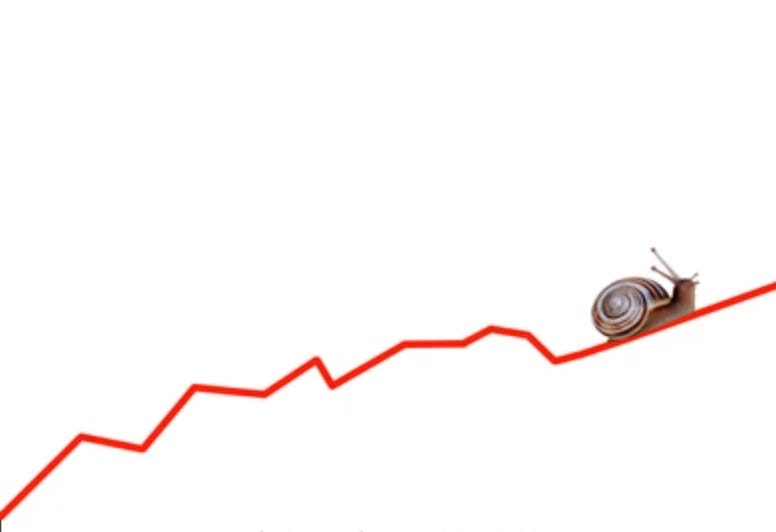
The numbers make this pretty clear if you’re willing to sit with them; about 90% of startups fail, making it to unicorn status has a 1-2% chance on a good day, and less than 0.7% of unicorns ever achieve sustained revenue. After ten years the failure rate for unicorns sits somewhere between 30-40% compared to 10-15% for smaller more sustainable ventures, so the question isn’t whether unicorn status sounds exciting, it’s which group you actually want to be in.
There’s also a version of this nobody talks about because it’s uncomfortable: when you take on the kind of money that comes with unicorn expectations you trade something, you trade control, you trade the ability to make your own decisions about where the company goes because now there are people in the room who need a very specific kind of win and they will push for it even if it’s not what you need. You and your investors can become completely misaligned; you want a good product and a sustainable business, they want an exit, and that tension doesn’t just create friction, it can stall everything you’ve worked for. The dilution alone can be enough to make you feel like a stranger in your own company. Good investors ask hard questions and want real answers and they’re patient because they understand what it actually takes, and the ones chasing fast growing companies on a wing and a prayer will push you in ways you didn’t expect and didn’t sign up for because they’re panicking. And panicking investors make everything harder.
The other uncomfortable truth is this: entrepreneurship isn’t for the faint of heart, it’s hard and the odds are against you, and that’s okay to say. If you’re not willing to take the time to build something well, to build it with integrity, to sit in the uncertainty long enough to figure out what actually works, this is a hard road. If big money is your number one motivation or you’re driven by the buzz, you often won’t get very far because the money actually follows the work, not the other way around. Your ego will tell you you’re the exception, of course you’re going to be the unicorn, disrupt the market, solve all the problems of the industry, it tells everyone that because if it didn’t no one would probably even start a business. But most of the time when you chase the wrong things for the wrong reasons, you won’t realize you’re not where you wanted to be until you’re already too deep in.Here’s why it works: When you stop chasing unicorn status and start building something sustainable, you keep control of your company and your vision, you make decisions based on what’s actually working instead of what looks good in a pitch deck, you avoid the dilution and misalignment that comes with taking on investors who want an exit more than they want a good product. You build something that lasts instead of something that burns bright and collapses, and you get to be proud of what you made instead of explaining what happened to it.
“How you climb a mountain is more important than reaching the top.” — Yvon Chouinard, Founder of Patagonia
Now go: This week, try this: Write down why you started, not what you’re building but why. Then write down what your average Tuesday actually looks like right now, the real one not the highlight reel version. Ask yourself if those two things are still pointing in the same direction, if they are, keep going, but if they’re not that’s important information.
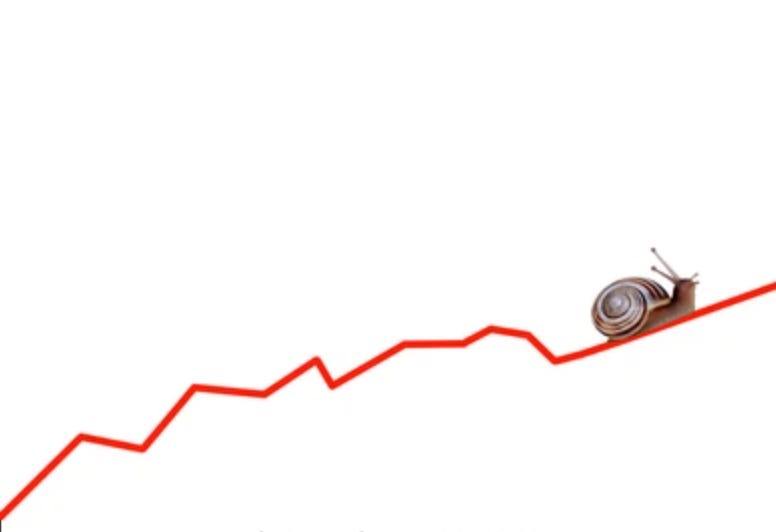

Start here if you only have 10 minutes: Find one founder you know who’s built something slowly and well, not a unicorn, not a headline, just someone who’s still standing after ten years. If you don’t know anyone read about one. Their stories will tell you more than any pitch competition recap ever will.
Next Tuesday: The Genius Guide to Dealing with Market Saturation
P.S. The thing I keep reminding myself is that 1% better every day compounds into something real; it’s not flashy, nobody’s writing about it, but it adds up and it lasts, and at the end of it you still recognize what you built and that matters more than I used to think it did. If this resonated, hit reply and tell me where you are in the building process. I read every response.
Writing from Austin, still betting on the builders,
Alex
Alex,
Wonderful article! Hard work and testing assumptions is so underrated! Tried to bring field lessons learned into the classroom, but so many students just love to find shortcuts towards good grades. But a few great students learn and lead. How has feedback been from your subscribers?
Best,
Brad
Being okay with not knowing is such an underrated skill. 🙌